Learn how to utilize UK minimum-spend vouchers wisely so you don't spend too much. Learn useful techniques, category patterns, and clever strategies to get discounts while saving the most money!
In the UK, most "£X off £Y" vouchers have a secret rule: you have to spend a certain amount before the discount kicks in. Sadly, a lot of shoppers end up spending more than they planned to in order to qualify, which means they lose the savings they were hoping to get. This tutorial will show you how to use genuine thresholds, category patterns, and smart strategies to trigger UK minimum-spend vouchers in a way that lets you get the discount without filling your basket with stuff you don't need.
We all love the rush of putting in a promo code at checkout and seeing the price go down. But stores plan these sales very carefully to keep their profit margins high. If you don't know the rules of the game, you'll wind up doing exactly what they want you to do. Let's go over exactly how these vouchers function and how you can get around the rules.
A "minimum spend" voucher means that you have to spend a certain amount of money before the discount may be applied to your order. A coupon code that says "£15 off £75" will only function if the things you want to buy add up to exactly £75 or more. This sounds easy, but stores often add hard-to-understand rules.
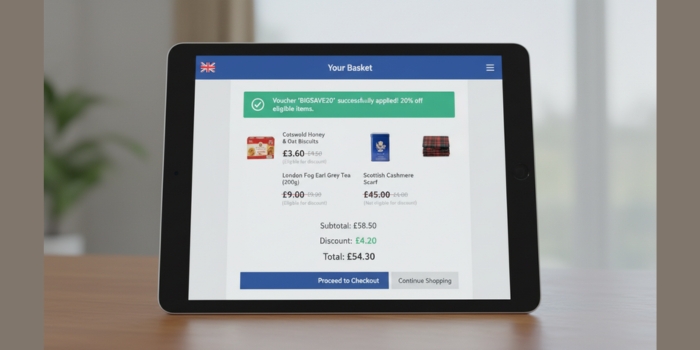
Most UK stores only count the price of products before they are delivered. This implies that shipping costs, gift-wrapping fees, and other digital add-ons are not included in your total. You can only reach the £75 limit with physical goods.
You will see these common UK price limits at all the stores you go to. Supermarkets and online fashion stores commonly offer "£20 off £80" bargains for your first shop. The famous "£10 off £50" deal is popular among department stores and high-end beauty boutiques. You might also see promotions on cosmetics and leisure items across the site that say "15% off when you spend £60 or more." For further insights into coupon terms, check out our guide to UK discount voucher terms.
In order to succeed at the voucher game, you need to know exactly how much you are spending and how much you are saving. Don't allow a spectacular headline take your attention away from the math.
Most of the time, UK terms and conditions say something like "minimum spend on eligible items" or "basket total excluding delivery." You should keep a tight eye on your subtotal.
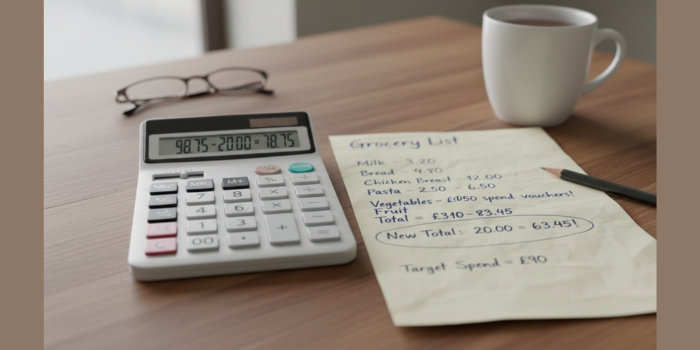
You have £70 worth of clothes in your basket and a £5 standard delivery fee. You owe £75. But the system would not accept a "£15 off £75" deal. You only have £70 worth of eligible items, which means you need £5 more.
To understand if a voucher is really worth it, you need to figure out your effective savings rate. If the minimum spend is £X and the discount is £Y, you can find out how much you saved by dividing Y by X.
For instance, a "£10 off £50" coupon saves you 20% of the total amount. A "£15 off £100" voucher only saves you 15%.
You lose value in the long term if you add things that don't offer much value, like a pair of socks you don't like for £5, just to reach the limit. You spent money you didn't plan to spend merely to get a discount.
Different types of stores utilize different ways to promote their products. By knowing these trends, you may guess when and where you can save the most money.
Supermarkets push first-time shopper deals a lot. You will often find promotions like "£15 off your first shop of £80." But because of UK regulations and store policies, these codes nearly always leave out certain items. Baby formula, alcohol, and lottery tickets don't usually count toward your £80 minimum. Check out our guide to refunds on discounted items for more suggestions on how to use supermarket vouchers wisely.
Clothing businesses appreciate the range of £50 to £100. "20% off when you spend £100" is a typical deal. Usually, the catch has to do with clearance items. Fashion stores often leave out sale items and high-end third-party brands from these sales. Don't miss our Men’s Clothing promo codes if you're looking for clothes to save even more money.
The beauty sector normally sets slightly lower criteria, typically between £30 and £60. You can typically discover beauty and skincare deals that say "£10 off £50." Keep in mind that these reductions usually only work on full-price products, not clearance bundles. For additional ways to save on health and beauty items, look at our Health & Beauty promo codes.
B&Q and other stores often have sales that require you to spend at least £30 to £60. A "£5 off £30" promotion is widespread, but you normally have to sign up for a reward program or be a new client to get it. To get the discount, you have to give them your email address.
Takeaway apps normally have the lowest limits, which are usually between £20 and £40. A "£10 off £30" deal sounds great for dinner on a Friday night. But these applications almost always don't include the delivery fees and service taxes in the £30 minimum.
You know what to do. Now is the time to put the plan into action. These seven tips will help you reach your minimal spend without squandering money.

A lot of UK vouchers that are worth a lot of money only work on the first order of a new account. Don't put all of your groceries in one big order if you and your roommate both need them. You can each make your own account and take advantage of two different "£15 off £80" deals. You split the food and save twice as much.
Don't buy goods you don't need only to reach a certain amount. Instead, keep a list of non-perishable household things that you need to stock up on. Keep track of how much toilet paper, toothpaste, and other pantry staples you need. Only trigger a voucher when your projected spending organically gets close to the limit. If your cart crosses £70 naturally, adding £5 of essential toothpaste to trigger a £15 discount is a wise decision.
Instead of adding useless things to reach a high threshold, look for other ways to save money. You can get 1% to 10% back on your qualified purchases by using cashback sites like TopCashback or Quidco. If you have a credit card with 0% interest, you can pay off the whole thing right away. This helps you stay focused on the real minimum spend instead of making your basket bigger.
Being patient is a big part of buying strategically. Keep your high-threshold minimum-spend codes for times when you naturally spend more money. Use them when you go back to school shopping for clothes and school supplies. Use them in the winter when you buy thick bedding and heavy clothing. Use them around the holidays to buy gifts and food that cost a lot. The voucher just lowers the price of something you would have bought regardless.
A lot of UK stores only send out "£X off £Y" vouchers to new loyalty members or app users. New members of the B&Q Club can get £5 off a £30 purchase. When you download the Greggs app, you can get free stuff. Before you check out, always see if making a free loyalty account would lower the threshold or raise the discount.
You don't have to buy a lot of stuff to use all of your vouchers. Some UK deals only need a small amount to start, and you can keep them in your wallet for months without worrying about them. You can use eVouchers at ASOS for as little as £3. Some grocery stores accept digital gift cards that cost £1 or more. These little thresholds are great for small gifts or quick top-ups. They absolutely remove the pressure to chase a large shopping trolley.
Always keep one eye on your subtotal. Before inputting your code on most UK sites, add things that are close to the threshold and check the total before delivery. Use browser add-ons that show you which codes are most likely to work for your basket. If you catch a £2 deficiency before you check out, you won't have to deal with a code that doesn't work.
Sometimes, the best thing to do when shopping is to just walk away. You need to be able to tell when an offer is just a way to get you to spend more money.
Before you click "pay," ask yourself one basic question: Will I really use everything in this basket? You are wasting money if you are adding random things to your cart only to reach £75.
Pay particular attention to the effective saving rate. If the rate drops below 10% to 15% and you are buying things you don't need, the voucher is lying to you. These deals are made by UK retailers to get you to buy more items. The clever consumer utilizes the voucher when the threshold naturally matches the things they need to buy, not the other way around.
1. What is a "minimum spend" voucher, and how does it work?
A "minimum spend" voucher requires you to spend a specific amount (e.g., £75) on eligible items before the discount applies. The subtotal must meet the threshold before delivery fees, taxes, or add-ons are included.
2. Why don’t delivery fees count toward the minimum spend?
Most UK retailers exclude delivery fees, gift-wrapping, and other non-product costs to ensure the discount applies only to physical goods. This is a common condition in voucher terms.
3. How can I avoid overspending just to qualify for a voucher?
Plan your purchases strategically by using stock-up lists, splitting orders with friends, or timing vouchers for high-spend periods like holidays or back-to-school shopping. Avoid adding unnecessary items.
4. Are sale or clearance items eligible for minimum-spend vouchers?
Not always. Many retailers exclude discounted or clearance items from voucher eligibility. Always read the fine print to confirm which items qualify.
5. What should I do if my basket is slightly below the minimum spend?
Add small, practical items like toiletries, pantry staples, or gift cards to meet the threshold without wasting money on unnecessary purchases.
6. Can I combine a minimum-spend voucher with other discounts or cashback?
Yes, you can often stack cashback offers from platforms like TopCashback or Quidco with minimum-spend vouchers. However, most retailers only allow one promo code per transaction.
Subscribe to get latest news, notification and more information..
Congratulations! You’ll be the first to receive our latest Vouchers & Deals.