
Understand the rules for using UK discount vouchers, including expiration dates, restrictions, and eligibility, to save more and shop smarter.
I love finding a good discount code—it’s great seeing your total drop at checkout. But I’ve often hit “apply” only to get an error: expired, wrong items, or just not working. If this sounds familiar, you’re not alone.
Understanding the terms behind UK discount vouchers is key to saving money—and avoiding that letdown when a code doesn’t work. Shops set these rules to protect their profits, but if you pay close attention, you can still grab the deals you want. Knowing how these voucher rules work in the UK makes it much easier to shop smart and avoid surprises.
This guide covers the key voucher terms and conditions you’ll face. I’ll explain the most common rules, who can actually use these codes, and what to expect if things don’t go as planned. From personal experience, quickly scanning the fine print has saved me time and money—I know when a code works and when to move on. Here’s what to check so you can use promo codes confidently.
Retailers use voucher terms to control who gets a deal, what items qualify, and how offers work. If your code is rejected, it’s often down to these preset restrictions. They’re not trying to make things hard, but to keep promos targeted and protect profit margins. Knowing these rules upfront saves time and helps you focus on codes that will actually work.
I've run into plenty of these restrictions myself—like finding a 30% off code only for “new customers” or realizing free shipping means shopping from a specific section. These rules aren’t meant to trip you up, but to keep deals targeted and stocks balanced. It might feel inconvenient, but once you recognize these patterns, you’ll quickly spot which codes are worth your time and which aren’t.
Checking the fine print before using a code saves time and helps you spot real savings. You avoid codes that won't work and quickly find ones that will. Having this habit at checkout means less frustration and more success with vouchers.
Most vouchers come with a core set of rules that show up everywhere. After years of UK online shopping, I can tell you the same hurdles pop up at checkout again and again. Here are the main things to look for, so you can spot likely issues before you waste time.
Almost every discount code has an expiration date. I’ve missed out before by waiting too long and finding my code was already expired. Shops do this to encourage quick purchases. The end date and time are usually listed in the promo email, code details, or on the store’s website—so always check the specifics, not just assume it’s valid until midnight.
Codes can last for a month or just 24 hours—sometimes less. Don't assume every code ends at midnight. Many UK shops set specific end times like 11:59 PM or midday. Always double-check the exact deadline before you shop.
If you see a code that’s out of date, don’t dismiss it right away. Sometimes, sites are slow to update, and I’ve had “expired” vouchers still work and give a small discount—it’s a nice surprise. If you want to know when trying old codes is worth it, check out my guide on How to Use Expired UK Vouchers: Myths vs. Reality.
Minimum spend requirements often trip up shoppers—including me. I once saw “Save £15 when you spend £75” and assumed delivery counted. It didn’t—only the value of the items matters, not shipping or extras. Even being just £5 short will make the code invalid. Always check your basket total (excluding delivery) before expecting a discount.
It’s easy to overspend just to hit the minimum spend. I’ve been tempted to add things I don’t need, but you don’t have to buy extra just for a deal. Use simple tricks—like teaming up with a friend or focusing on essentials—to meet the requirement without wasting money. For more practical ideas, check out my guide on Mastering the 'Minimum Spend': How to Trigger UK Vouchers Without Overspending.
Most shops only count the price of your items (not delivery) toward the minimum spend. So if you spend £70 on products and £5 on delivery for a “Save £15 when you spend £75” offer, the code won’t work. I’ve made this mistake before—always double-check your items’ total before expecting a discount.
Hitting the minimum spend can feel like a game, but buying things you don’t need for a discount isn’t worth it. I’ve fallen into that trap before and ended up regretting the extra purchases. Now, I look for ways to meet the spend requirement without overspending—like splitting an order with a friend or focusing on basics. For straightforward tricks, check out my guide on Mastering the 'Minimum Spend': How to Trigger UK Vouchers Without Overspending. The tips there have saved me plenty over the years.
A “20% off sitewide” code rarely covers everything. Many shops, especially department stores, exclude premium brands, new gadgets, and gift cards from voucher deals. Check the exclusions in the terms before you get excited—a quick scan of the fine print can keep you from being let down by a code that doesn’t work for the items you actually want.
After years of UK shopping, I’ve found there’s almost always a catch with discount codes. Many “20% off everything” codes don’t cover the brands or products you really want—designer labels, new tech, or gift cards are usually excluded. Shops use big offers to grab your attention, then quietly list exclusions in the fine print. Now, I always check the details so I’m not disappointed. Expect that not everything is included, and scan for exclusions before you get your hopes up.
A common pitfall: most UK voucher terms exclude items already on sale or in clearance. I’ve often tried stacking a code on a reduced item, only to get rejected at checkout. Always check the small print—most codes apply to full-priced items only. Double-checking this saves a lot of disappointment.
UK shops often use discount codes to reward certain groups—like students, NHS staff, or new customers. If you’re not part of the intended group, the code won’t work. For example, student discounts require verification, and “new customer” codes won’t work if you’ve shopped there before. Always check who the code is for before trying to use it.
Welcome discounts—like 10% or 15% off your first order—are for brand new customers only. I’ve tried using one on a second order, but shops catch on fast. They check your email, delivery address, and even your card details to confirm you’re really a new shopper. If you want to use a welcome code, set up a fresh account; otherwise, it won’t work.
If you’ve already made a purchase with your account, a “new customer” code won’t work—no matter how many times you try. Shops check your email, address, and payment info to block repeated use. For “first order only” deals, only use them if you’re genuinely a new customer.
UK brands often offer student, NHS, key worker, and military discounts through sites like UNiDAYS or Blue Light Card, but these always come with fine print. Sometimes a code suddenly stops working for top brands or new launches, even if you’ve done everything right. Restrictions change fast, and some brands are excluded without notice. Always read the terms and expect some changes. If you hit problems, check my guide on Why Your Student or NHS Discount Code Isn't Working (Hidden T&Cs) for solutions.
Using student, NHS, or key worker codes isn’t always simple. Even after verifying your ID or signing up for a discount site, the code might not work on certain brands or items. Sometimes a code that worked last week suddenly stops applying to popular brands or new products. If you’re confused about why this happens, you’re not alone. For a straightforward guide and solutions, check out my advice on
Why Your Student or NHS Discount Code Isn't Working (Hidden T&Cs).
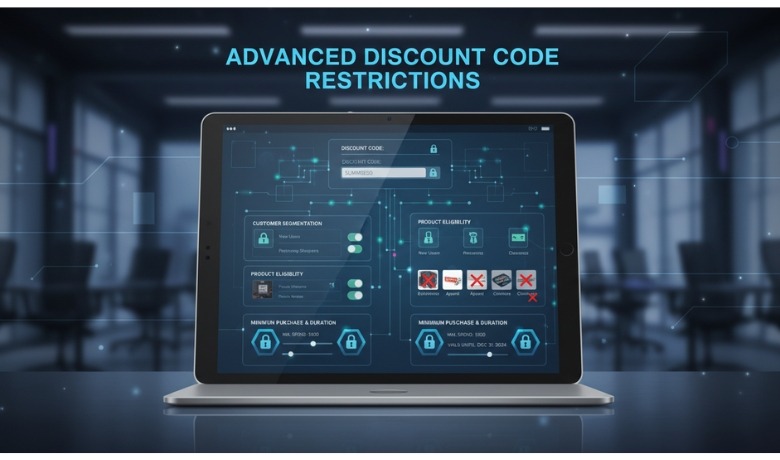
Once you understand the basics, you’ll notice some more complex voucher rules—like whether you can reuse codes or combine different offers. It’s easy to assume you can stack deals or use a code more than once, but shops usually set strict limits. Most of the time, you can’t use more than one code at checkout, and even generic codes are often one use per customer. Always check the terms so you know exactly what’s allowed—this way you don’t get caught out or waste time trying combinations that won’t work.
UK shops use both generic codes like “SUMMER20,” which lots of people can find online, and unique codes sent directly to your inbox. In my experience, those unique codes are single-use—once you use them on one order, they’re gone. Generic codes may seem reusable, but most retailers only let you use them once per customer. Always check the terms so you know exactly how many times you can use your code.
Unique codes, often a string of random letters and numbers sent directly to your inbox, are for single use only. Once you’ve completed your order, they’re done—you can’t reuse or share them. Generic codes like “SUMMER20” sometimes allow multiple uses, but most stores limit them to one use per customer. Always check the fine print to know how many times your code can be used.
Can you stack discounts—like using a free delivery code with 20% off? That’s called coupon stacking. I’ve tried it many times, hoping to double up at checkout.
Most UK shops say no: only one code per order, and you’ll see “cannot be used with any other offer” in the terms. From experience, stacking almost never works—checkout usually just blocks you. Rarely, you might get lucky if a site’s system allows a loophole, but it’s not something you can count on.
Want to learn what actually works (and what doesn’t)? Check out our UK Coupon Stacking Guide: Can You Combine Discount Codes in 2026?.
Most UK stores don’t allow more than one code per order. You’ll see terms like “cannot be used with another offer” or “one code per order.” In my experience, stacking codes is almost always blocked at checkout. Rarely, a site’s system might let it happen by mistake, but it’s not something to expect.
If you’re wondering about doubling up on deals, here’s the truth: I’ve tried nearly every combination out there. Most of the time, stacking discounts doesn’t work—checkout will usually block it. Want to know what actually works? Check out our
UK Coupon Stacking Guide: Can You Combine Discount Codes in 2026?.
Even if you follow the voucher rules, returns can get tricky. If you send something back after using a discount, you might wonder if you’ll get the full refund, just the discounted amount, or lose the voucher completely. Every retailer handles this differently—sometimes splitting the voucher across items or adjusting your refund. From experience, always check with customer service or review their returns policy before sending items back with a voucher. It saves time, confusion, and potential disappointment.
Returning an item you bought with a discount code means you’re refunded what you actually paid—not the original full price. For example, if your £50 jumper cost £40 after a 20% code, you’ll get £40 back. This catches a lot of people off guard, but just check the numbers so you know what to expect.
Returning an item bought with a voucher like £15 off a £50 order can be confusing. For example, if you return a £20 shirt, you might not get the full £20 back—the retailer may split the discount across all items or adjust your refund so you don’t get more back than you paid after the voucher. Each store handles this differently, so always check their policy before sending an item back to avoid surprises.
It’s easy to get caught out when returning an item bought with a voucher—every retailer handles discounts and refunds differently. Sometimes you get less back than expected, or the voucher value just vanishes. Always check the store’s returns and discount policy before you send something back so you’re not surprised. For a clear explanation and helpful tips, see
If I Return an Item, Do I Get My Discount Voucher Back? (UK Retail Rules).
Different shops have their own rules for vouchers—what works at a fashion store might not fly at a supermarket. I’ve had codes rejected at checkout because they didn’t apply to “new season” items. At supermarkets, codes like “£20 off your first shop” often exclude things like baby formula or alcohol. Checking each retailer’s terms before using a code saves me from disappointment and lets me pick the ones that actually work for my basket.
Supermarkets love “£20 off your first £80 shop” deals, but watch out—not everything counts toward that total. I once added wine and baby formula, only to find those didn’t qualify. Items like alcohol, baby formula, and lottery tickets are usually excluded, sometimes by law. Always check what’s eligible before you pay to avoid a wasted code.
I’ve hit this with tech purchases—found a code for a new laptop, but it didn’t cover the warranty or bundle at checkout. Retailers often exclude warranties and extras, so your discount only applies to the main item. Always check the store’s terms for these details before buying; it’s saved me from surprise exclusions more than once.
Working out voucher rules is simple once you know what to look for. Just take a moment to read the terms—check expiry dates, minimum spend, and exclusions. Doing this has helped me avoid almost all issues, and it makes finding the best deals straightforward. A quick check saves money and frustration every time you shop.
If you always check the expiry date, make sure your basket meets the minimum spend, and confirm your items aren’t excluded, you’ll avoid most voucher issues. Since I started doing this, my codes almost always work. Try it—it's a quick habit that pays off.
For more ways to save, check the links on this page. You’ll find straightforward guides on hitting minimum spend, handling returns, and getting the most out of every voucher—based on real shopping experience, not theory. A quick read now can help you grab bigger savings every time you shop.
Question: What are the common terms for UK discount vouchers?
Answer: Common terms include expiration dates, minimum spend requirements, and restrictions on sale items or specific brands.
Question: Can I use multiple discount codes on one order?
Answer: Most UK retailers do not allow stacking multiple discount codes on a single order.
Question: What happens if I return an item bought with a discount voucher?
Answer: You’ll usually receive a refund for the discounted price, but fixed-amount vouchers may not be reissued.
Question: Do discount vouchers apply to sale items?
Answer: Many vouchers exclude sale or clearance items, so check the terms before applying.
Question: Can I use expired discount vouchers?
Answer: Expired vouchers typically cannot be used, but some retailers may honor them under specific conditions.
Subscribe to get latest news, notification and more information..
Congratulations! You’ll be the first to receive our latest Vouchers & Deals.